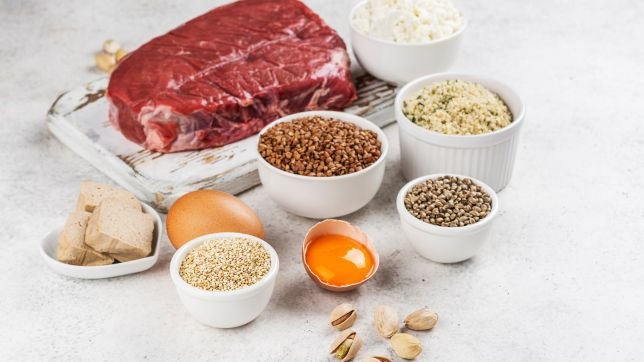

wellhealthorganic.com:vegetarian protein sources Many people in India still believe that a vegetarian diet cannot provide enough protein. This idea has been repeated for decades, shaping food habits and fitness decisions. Yet, if you walk through a typical Indian kitchen, you’ll find ingredients that quietly challenge this myth every single day.
The truth is surprisingly simple. Most healthy adults need around 0.8–1 gram of protein per kilogram of body weight each day. Whether your goal is better fitness, muscle recovery, weight management, or overall health, reaching this target is completely achievable without eating meat. The secret lies in choosing the right foods and combining them wisely.
This guide explores wellhealthorganic.com:vegetarian protein sources, explaining the best protein-rich foods, practical meal ideas, and common misconceptions.
Quick Comparison Table of Vegetarian Protein Sources wellhealthorganic.com:vegetarian protein sources
| Food Item | Protein (Per 100g) | Primary Benefit |
| Soy Chunks | ~52g | Highest plant protein, budget-friendly |
| Paneer (Cottage Cheese) | ~18g | Rich in calcium and healthy fats |
| Moong Dal / Chana (Dry) | ~22–24g | High fiber and easy digestion |
| Greek Yogurt / Dahi | ~10g | Supports gut health |
| Sattu (Roasted Gram Flour) | ~20g | Instant energy and affordable |
| Peanuts & Almonds | ~21–25g | Healthy fats and calorie-dense nutrition |
Why Protein Matters
Protein is often called the body’s building block. Every muscle, enzyme, hormone, and cell depends on it. Beyond bodybuilding, protein helps repair tissues, supports immunity, keeps you feeling full longer, and contributes to healthy hair and skin.
Fortunately, plant-based protein has become easier than ever to include in daily meals through lentils, dairy, soy products, nuts, and seeds.
Top Vegetarian Protein Sources
Soy Products: The Protein Champion
Soy chunks and tofu remain among the richest plant-based protein foods available.
Soy chunks contain approximately 52 grams of protein per 100 grams, making them one of the most economical choices for students, professionals, and fitness enthusiasts.
An additional advantage is that soy is a complete protein, meaning it provides all nine essential amino acids needed for muscle growth and recovery.
Best Uses wellhealthorganic.com:vegetarian protein sources
- Soy chunk curry
- Stir-fried tofu
- Protein-rich pulao
- Soy kebabs
Dairy Essentials: Paneer, Curd, and Milk
Paneer has become a staple in many Indian households for good reason. Besides providing quality protein, it delivers calcium and healthy fats that support bones and muscle recovery. wellhealthorganic.com:vegetarian protein sources
Curd and milk further strengthen daily protein intake while improving digestion through beneficial bacteria.
Paneer is especially useful during dinner because its slow-digesting protein supports overnight muscle repair.
Lentils, Beans, and Pulses
Dal is more than comfort food—it is nutritional science served in a bowl.
Rajma, chole, moong dal, masoor dal, and black gram provide protein alongside fiber, iron, and complex carbohydrates.
Why Dal-Chawal Works
Rice alone lacks certain amino acids, while dal fills those nutritional gaps. Together, they create a more balanced amino acid profile, making this classic Indian combination both satisfying and nutritionally effective.
Nuts and Seeds
Peanuts, almonds, pumpkin seeds, sunflower seeds, flaxseeds, and chia seeds are excellent snack options.
Although they are calorie-dense, they provide protein together with healthy fats, antioxidants, and important minerals.
Simple additions include: wellhealthorganic.com:vegetarian protein sources
- Sprinkling pumpkin seeds on salads
- Adding chia seeds to smoothies
- Enjoying roasted peanuts as an evening snack
Traditional Indian Superfoods
Sattu has quietly fueled generations across northern India.
Made from roasted gram flour, it mixes easily with water, lemon, cumin, and salt to create a refreshing drink that delivers protein, fiber, and sustained energy.
Sprouts are another inexpensive nutritional powerhouse. Sprouted moong and mixed sprouts improve nutrient availability while making digestion easier.
Sample 60g Daily Protein Meal Plan
Here’s an easy routine suitable for many Indian homes.
| Meal | Food | Approx. Protein |
| Breakfast | 2 Moong Dal Chillas + 100g Curd | ~18g |
| Lunch | 1 Cup Rajma/Chole + Rice + Salad | ~15g |
| Evening Snack | Roasted Peanuts or Sattu Drink | ~12g |
| Dinner | 100g Paneer Bhurji or Soy Chunk Curry + Roti | ~18g |
Total Daily Protein: ~63g
This balanced approach demonstrates that meeting protein goals doesn’t require expensive supplements or complicated diets.
Smart Tips to Increase Daily Protein
Prioritize Protein at Every Meal
Instead of consuming most protein during dinner, spread it across breakfast, lunch, snacks, and dinner.
Combine Different Plant Foods
Mix legumes, grains, dairy, nuts, and seeds throughout the day to improve overall amino acid intake.
Stay Consistent
Small improvements practiced daily produce better long-term results than occasional high-protein meals.
Common Myths About Vegetarian Protein
Myth 1: Vegetarians Cannot Build Muscle
This is false.
Many successful athletes and fitness enthusiasts rely on dairy, soy, legumes, and pulses to support muscle growth. Consistency and total daily protein matter more than whether protein comes from plants or meat.
Myth 2: Soy Is Unsafe
Research consistently shows that moderate soy consumption is safe for most healthy adults.
Around 25–30 grams of dry soy chunks per day fits comfortably into a balanced diet.
FAQs wellhealthorganic.com:vegetarian protein sources
Q1. Can vegetarians build muscle without non-vegetarian food?
Answer: Yes. Combining dairy products, legumes, soy foods, nuts, and whole grains provides sufficient protein and essential amino acids to support muscle growth when paired with resistance training.
Q2. Is soy chunk safe to consume daily?
Answer: Yes. Moderate consumption, around 25–30 grams of dry soy chunks daily, is generally safe and offers high-quality protein for most healthy adults.
Q3. Which vegetarian food has the highest protein?
Answer: Soy chunks contain one of the highest protein contents among vegetarian foods, offering roughly 52 grams per 100 grams.
Q4. How much protein should an average adult consume?
Answer: Most adults need approximately 0.8–1 gram of protein per kilogram of body weight, depending on activity level and health goals.
Conclusion wellhealthorganic.com:vegetarian protein sources
The biggest lesson from wellhealthorganic.com:vegetarian protein sources is that protein deficiency is not an inevitable part of vegetarian living. A thoughtful combination of soy products, dairy, lentils, beans, nuts, seeds, sprouts, and traditional Indian foods easily meets daily nutritional needs.
Rather than chasing expensive supplements, start with the ingredients already present in your kitchen. Small daily choices—adding a bowl of dal, choosing paneer for dinner, sipping a glass of sattu, or snacking on roasted peanuts—can collectively transform your health. wellhealthorganic.com:vegetarian protein sources
If you’re aiming for better fitness, improved energy, or sustainable nutrition, begin by upgrading one meal today. Your body responds not to dramatic changes but to consistent, nourishing habits built over time. wellhealthorganic.com:vegetarian protein sources